A Living Tribute to the Underground Railroad
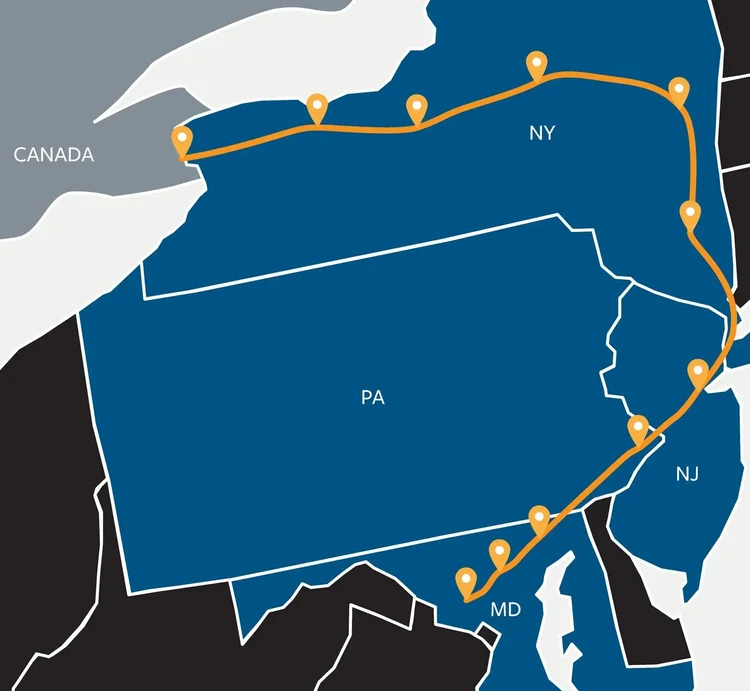
As America prepares to mark the 250th anniversary of its independence, local historian, author, and poet Anthony Cohen is embarking on Freedom Walk 2026, a journey to honor and preserve African American History. Beginning on May 4, 2026, Cohen will travel 750 miles by foot, boat, horse, and buggy before reaching Amherstburg, Ontario, on July 4, 2026. Starting in Sandy Spring, Maryland, Cohen will walk nearly 600 miles of the Underground Railroad route once traveled by freedom seekers escaping slavery. His journey brings history to life as Freedom Walk 2026 serves as a living tribute to the courage, determination, and hope of those who risked everything in pursuit of freedom, while reminding us that their stories continue to shape the American experience today.
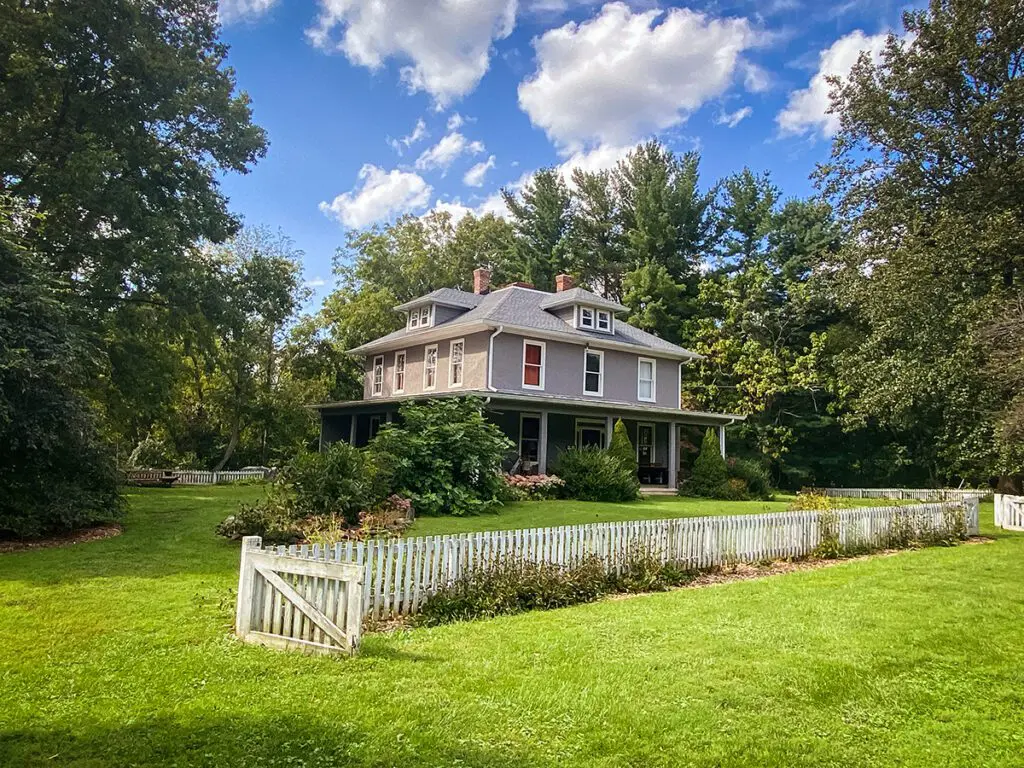
This has been a lifelong effort for Cohen, founder and president of the Meadere Foundation, a nonprofit organization dedicated to preserving the legacy of the Underground Railroad. Through his work, he also operates the Button Farm Living History Center in Germantown, Maryland. This 40-acre site brings the history of slavery, plantation life, and the Underground Railroad in 1800s Maryland into focus. As Maryland’s only living history center of its kind, Button Farm invites you to step into the past and experience what daily life may have been like for enslaved African Americans. The experience encourages you to reflect on how they resisted oppression and the resilience they demonstrated in the fight for freedom.
Retracing the Steps of Freedom Seekers
Freedom Walk 2026 builds on a similar journey Cohen undertook nearly 30 years ago. In 1996, he traveled more than 800 miles of the Underground Railroad connecting historic safe houses, free black communities, Quaker sanctuaries, and forgotten landmarks that once formed part of a secret network helping enslaved people move north toward freedom. That journey helped bring national attention to Montgomery County’s role as a link between slavery and liberation; a place where despair and hope existed side by side.
Cohen wanted to better understand the lived experience of freedom seekers, such as Harriet Tubman, who navigated unimaginable danger in pursuit of liberty. By retracing portions of the same routes, Cohen connects the historical record. Cohen hopes that these stories will continue to inspire future generations and preserve African American heritage.
Sandy Springs an important starting point for Cohen’s journey because it represents far more than a place on a map; it represents courage in action. In the 1800s, Sandy Spring was home to a strong Quaker community that opposed slavery and believed in the equality and dignity of every person. Despite the laws that upheld slavery, many Quaker families opened their homes as safe havens, offered food and shelter, and guided enslaved people north towards freedom.
For Cohen, beginning this journey in Sandy Spring means starting in a place rooted in moral courage, compassion, and collective action. This serves as a reminder that ordinary people can make extraordinary choices in moments of injustice. The timing of this journey is equally significant, concluding on America’s 250th anniversary, and highlights powerful stories of freedom and resilience from places like Montgomery County, along the Underground Railroad.
Experience History at Button Farm Living History Center
Cohen’s Button Farm Living History Center in Germantown offers visitors a hands-on way to connect with Maryland’s Underground Railroad history through interactive tours and living history programs. Situated on 40 acres, the museum recreates aspects of life within Maryland’s 19th-century enslaved community while examining themes of freedom, resistance, and survival. Learn how crops were cultivated before modern machinery through agricultural demonstrations, discover artisan traditions and practical skills once used by enslaved Marylanders, and participate in the Foraging Freedom Program, which highlights how freedom seekers relied on forests, waterways, and their knowledge of the natural world while escaping slavery.
Additional experiences include behind-the-scenes tours of the farm, self-guided QR code tours, and the Cemetery Walk, which explores African American burial traditions at a burial ground believed to hold the remains of enslaved individuals. In these interactive experiences, you will explore the nation’s social justice legacy, using the story of slavery and the Underground Railroad as a catalyst for understanding resilience, resistance, and human potential.
A Sculpture of Resistance and Hope
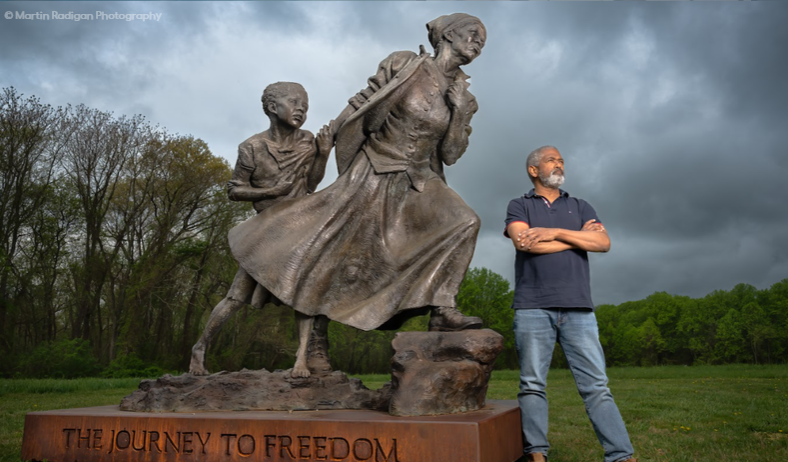
One of the site’s most striking features is the Harriet Tubman Journey to Freedom sculpture by sculptor Wesley Wofford. The 9-foot-tall sculpture depicts Tubman guiding a child toward freedom and stands against the wooded landscape of Button Farm, creating a powerful visual connection to the terrain that freedom seekers once traveled along the Underground Railroad. During Freedom Walk 2026, the sculpture will travel to key stops and community activations along the route.
Follow the journey and experience the movement firsthand. Visit the #FreedomWalk2026 page to track the sculpture’s current location, explore upcoming regional stops, and join community events through the #FreedomWalk2026 Events Calendar.
Introducing the MoCo Legacy Passport
Celebrate America 250 and MoCo 250 by exploring Montgomery County through experiences that connect past and present. The MoCo Legacy Passport highlights locations that reflect the county’s rich history, culture, and community.
Check in at participating locations from May 1 through August 31, 2026 to earn entries into the MoCo Legacy giveaway. Complete the challenge by checking in at 8 locations to receive a free commemorative America 250/MoCo 250 t-shirt.

Search “Visit MoCo” in the App Store or Google Play for a free download. Hit “Passport” to find the participating MoCo Legacy locations.